The MFHS Circle of Care follows the Maternity Medical Home model of care. This Maternity Medical Home model of care aims to improve maternal health outcomes by addressing clinical, behavioral, and social aspects of care, and removing barriers to care. The model provides comprehensive whole person care for pregnant women and utilizes quality improvement and safety initiatives to ensure that every patient receives evidence based high-quality healthcare that is coordinated, comprehensive and equitable resulting in improved outcomes and reduced healthcare cost.
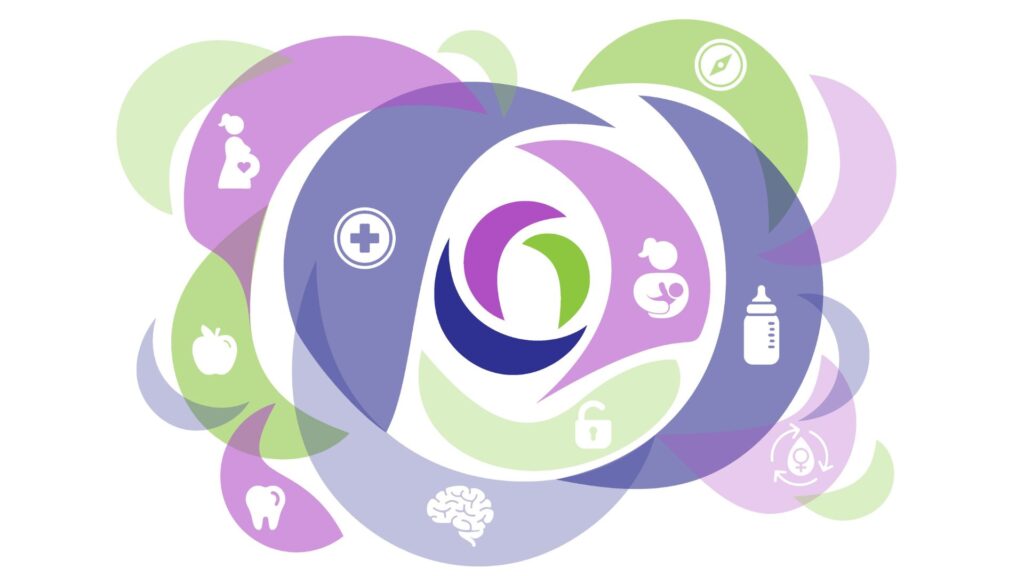
The MFHS Circle of Care offers all MFHS services—including WIC Nutrition, Maternity Care, Reproductive Healthcare, Nurse Family Partnership and Behavioral Health—in one convenient location for a cost-effective, evidenced-based approach to improving maternal and fetal outcomes. In addition to these core programs, MFHS Circle of Care locations offer oral health care, breastfeeding and nutrition support, ultrasounds and imaging, care navigation, transportation, food insecurity resources, and mental and behavioral health care with a focus on postpartum anxiety and depression and substance use support. These additional services outside of the core programs are unique to the Maternity Medical Home model.
How does the Maternity Medical Home Model of Care work?
In the North Carolina Medical Journal, Brennan, et al. (2015) report that the maternity medical home aims to improve the quality of maternity care, improve birth outcomes, and reduce costs among the pregnant Medicaid population, with a primary focus on preterm birth prevention and an improvement strategy of universal risk screening with targeted services for those at highest risk; the model projects that savings will result primarily from reduced utilization of costly newborn health services, as a greater proportion of infants will be born at term and at a healthy birthweight.
Evaluation findings indicate mothers receiving care at the pregnancy medical home had better outcomes than similar mothers at local clinics on several important measures. Most notably, mothers associated with the pregnancy medical home were significantly less likely to go to the emergency department while pregnant, less likely to deliver by cesarean section, and less likely to have a newborn admitted to the neonatal intensive care unit (Texas Health and Human Services Pregnancy Medical Home Pilot Program Final Evaluation Report, 2017)