
Recognizing Maternal Health Awareness Day
On Maternal Health Awareness Day, communities across the country pause to recognize both the progress made in maternal care and the urgent work that remains to ensure every mother and baby have the opportunity for a healthy outcome. It is a day not only for reflection, but for recommitment to doing better.
At Maternal and Family Health Services, we are clear about where that commitment lies. We are not in competition with other organizations working in maternal and infant health; we are in competition with maternal and infant mortality.
Every organization, provider, advocate, and policymaker working in this field is on the same side. Too many mothers and babies still face unacceptable risks during pregnancy, childbirth, and the postpartum period, and that reality demands collaboration, not competition.
At MFHS, collaboration is at the heart of our mission. That is why, with funding support from the PA Department of Health, we formed the Northeast Regional Maternal Health Coalition, bringing together partners across our region with a shared purpose: to improve maternal health outcomes by addressing maternal health challenges at the local level through the creation and enhancement of strong, regional coalitions.
Our coalition’s five areas of focus are aligned with the PA Maternal and Child Health Strategic Plan and were shaped by the data and lived experience insights highlighted in Pennsylvania’s Maternal Mortality Review Committee reports and the statewide Perinatal Quality Collaborative initiative:
- Access to High Quality Care
- Supporting Behavioral Health and Substance Use Disorder
- Addressing Social Determinants of Health
- Improving Rural Health Maternity Care Deserts
- Expanding and Diversifying the Maternal Health Workforce
Pennsylvania has advanced Commonwealth maternal health policies, and MFHS is proud to align with these efforts. Notable progress includes expanding Medicaid coverage for new mothers to a full year postpartum and establishing the Division of Maternal Health within the Pennsylvania Department of Health to oversee state initiatives.
Statewide, there is also focused work underway to ensure women and families living in maternity care deserts, particularly in rural communities, can receive high-quality care without unnecessary barriers. By working alongside the Pennsylvania Department of Health and hospital systems, we can better coordinate services and improve access where it is needed most.
Listening is equally vital. Advancing maternal health outcomes involves gathering input from women, families, and communities regarding their needs. Such insights are critical for delivering care that is not only competent and informed, but also respectful of lived experiences and capable of fostering trust.
There is much being done to raise awareness of maternal health and to make a positive, lasting impact on maternal mortality and morbidity. That progress is the result of partnership, persistence, and a shared commitment to families.
MFHS remains committed to this work, and to supporting every effort that moves us closer to a future where pregnancy and childbirth are safe for everyone, everywhere.
—
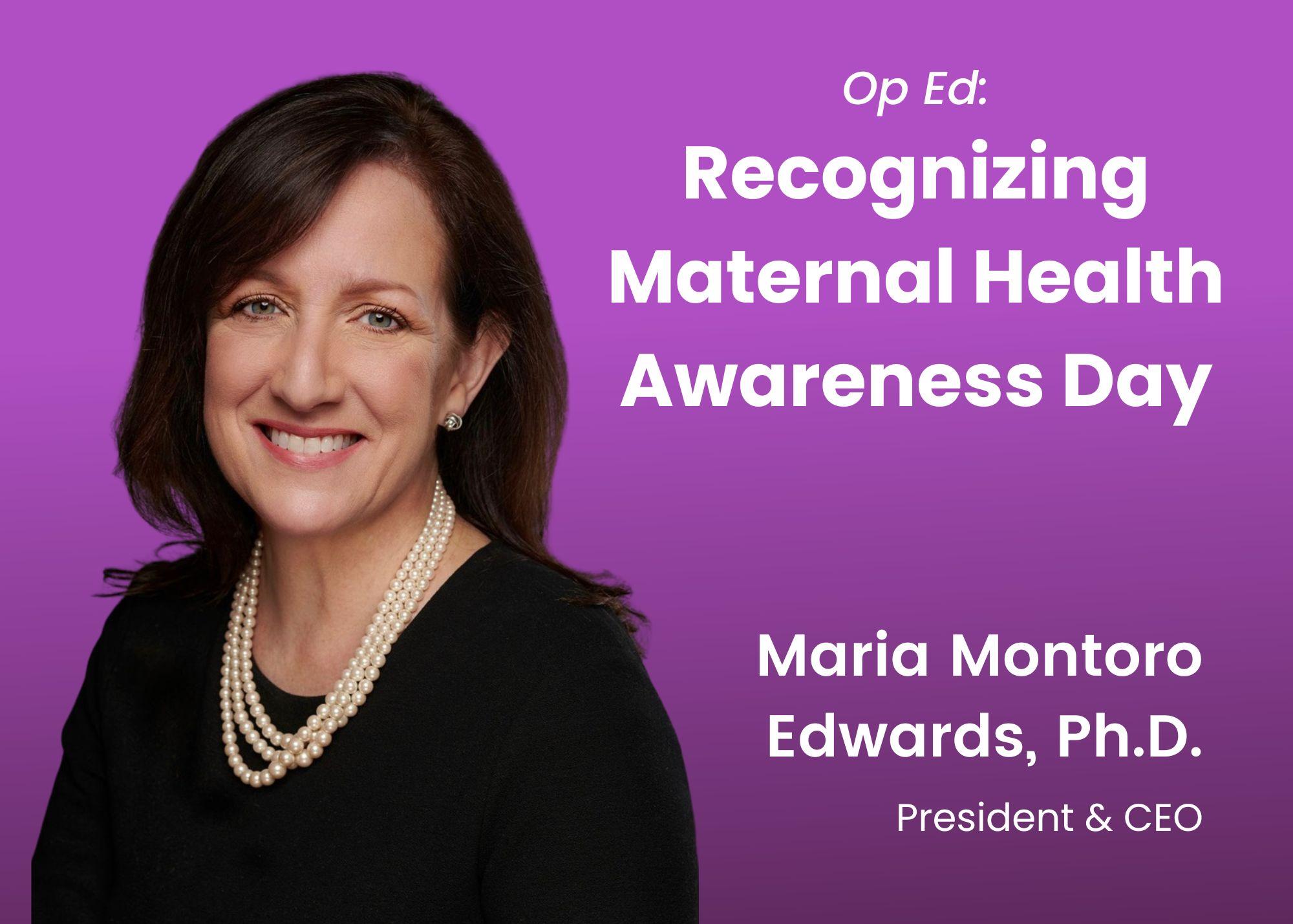
This article was written by Maria Montoro Edwards, PhD: President & CEO, Maternal and Family Health Services; Co-Chair, Perinatal Action Collaborative Member; Maternal Mortality Review Committee